
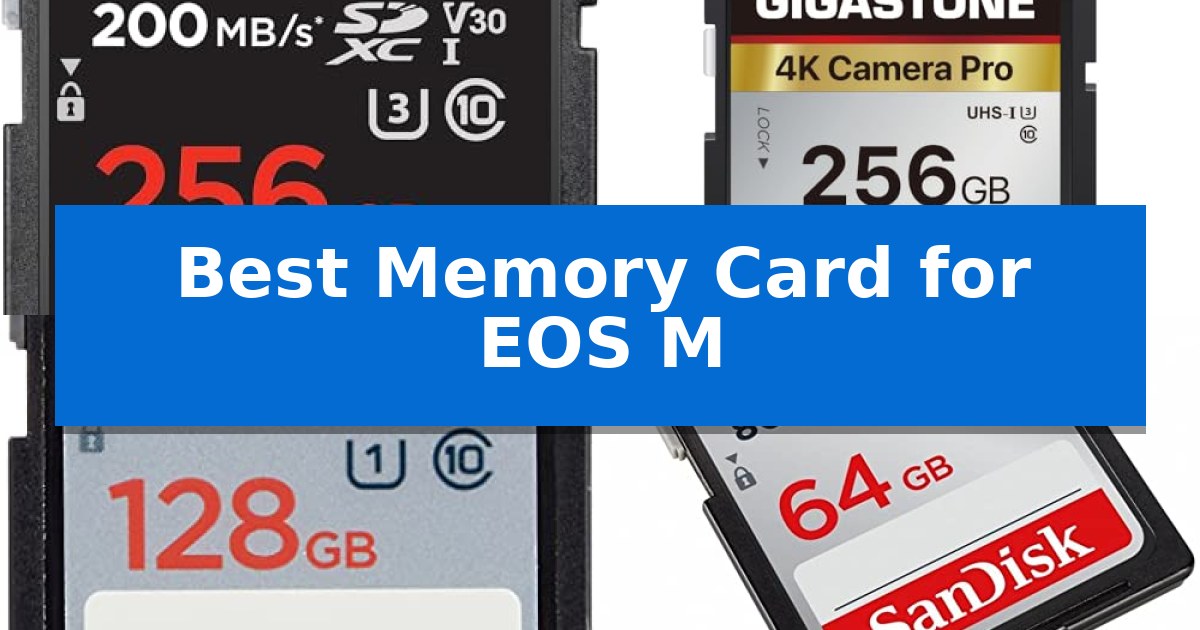
Finding the Best Memory Card for EOS M requires balancing your camera's specific interface limitations with the demands of your shooting style. Whether you are capturing high-resolution stills or recording video, the right card ensures your camera's buffer clears efficiently and your data remains secure.
The Canon EOS M series relies on SDXC or SDHC cards to manage file storage. Choosing a card that meets the appropriate speed class is essential for avoiding dropped frames during video capture and ensuring quick playback. We have evaluated several options to help you identify which storage solution aligns with your specific workflow.
You may also want to compare Best Memory Card for EOS 6D, Best Memory Card for EOS 5D Mark III, and Best Memory Card for Eken H9R.
Best Memory Card for EOS M
Quick Comparison
| Product | Best For | Key Strength | Score |
|---|---|---|---|
| SanDisk Extreme PRO SD Memory Card | Best Overall | High-speed offloading with up to 200MB/s read speeds via QuickFlow Technology. | 4.9 |
| Gigastone 4K Camera Pro SD Card | Reliable High-Speed Performance | Up to 170 MB/s data transfer speed for fast file offloading. | 4.7 |
| SanDisk Ultra SDXC Memory Card | Ideal for Everyday Photography | UHS Speed Class 1 (U1) and Class 10 rating for reliable Full HD video recording. | 4.6 |
| SanDisk Ultra 64GB Class 10 SDXC UHS-I Memory Card up to 80MB/s (SDSDUNC-064G-GN6IN) | Solid Value for Casual Shooters | Durable design with protection against water, temperature, X-rays, magnets, and shocks. | 4.6 |
| SanDisk Ultra SDHC Memory Card | Compact Storage for Quick Trips | Water-resistant and impact-resistant construction for enhanced data protection. | 4.3 |
How We Chose
- Compatibility with SDXC and SDHC standards to ensure seamless integration with the EOS M camera body.
- Sustained write speeds to support consistent burst-mode photography and high-definition video recording.
- Read speed performance for efficient data offloading to computers or external readers.
- Durability ratings, including resistance to water, temperature fluctuations, and shock, to protect your media in various environments.
- Capacity options ranging from 32GB to 256GB to accommodate different shooting volumes and project lengths.
1 SanDisk Extreme PRO SD Memory Card — Best for 4K Video Recording
Reliable storage is essential for capturing high-resolution media, and the SanDisk 256GB Extreme PRO SD Memory Card is engineered to support demanding workflows with its UHS Speed Class 3 (U3) and Video Speed Class 30 (V30) ratings. These specifications ensure the sustained write performance necessary for consistent 4K UHD video recording, making it a dependable choice for photographers and videographers using the EOS M system.
Beyond its video capabilities, this card utilizes SanDisk QuickFlow Technology to achieve read speeds of up to 200MB/s. This feature significantly reduces the time required to transfer large files from the card to a computer, provided the host device supports these higher speeds. For those seeking maximum efficiency, the card is optimized for use with the SanDisk Professional PRO-READER SD and microSD.
The card is built to handle intensive tasks, including sequential burst mode photography, with write speeds reaching up to 140MB/s. Its robust design is backed by a lifetime limited manufacturer warranty, offering peace of mind for long-term use. Whether you are recording long-form 4K content or capturing rapid-fire stills, the card provides the necessary throughput to keep pace with your camera's buffer.
While the card offers high-speed potential, users should note that actual performance is dependent on the host device's interface and usage conditions. It is a specialized tool for those who prioritize fast offloading and high-bitrate video capture, ensuring that your storage medium does not become a bottleneck during critical shooting sessions.
Best for: Photographers and videographers requiring high-speed data transfer and reliable 4K video recording performance.
Skip if: Casual users who do not require high-speed offloading or 4K video capabilities may find more cost-effective, lower-speed storage options sufficient.
PROS
- High-speed offloading with up to 200MB/s read speeds via QuickFlow Technology.
- V30 and U3 ratings ensure reliable 4K UHD video capture.
- Fast write speeds up to 140MB/s support sequential burst photography.
- Lifetime limited manufacturer warranty provides long-term reliability.
CONS
- Performance dependent on host device interface compatibility.
- Maximum speeds require specific compatible hardware to achieve.
2 Gigastone 4K Camera Pro SD Card — Reliable High-Speed Performance
Capturing high-resolution video and photos with your camera requires reliable storage that can keep pace with your workflow. The Gigastone 4K Camera Pro SD Card provides a robust solution for photographers and videographers using the EOS M system, offering up to 170 MB/s data transfer speed to move large files efficiently.
This full-sized SD card is engineered for versatility, supporting 4K Ultra HD video recording, which makes it a practical choice for those who frequently switch between still photography and high-definition video production. Its compatibility extends across digital point-and-shoot cameras, DSLRs, and HD camcorders, ensuring it fits well within a diverse gear setup.
Durability is a core aspect of this card's design, as it is built to be waterproof, temperature-proof, x-ray-proof, shock-proof, and magnetic-proof. These protective features offer peace of mind when shooting in varied environments. Additionally, the inclusion of a 5-year limited warranty underscores the manufacturer's commitment to long-term reliability.
For added convenience, the card comes with a mini case for secure storage when not in use. Whether you are managing large RAW files or recording extended video clips, this card provides the necessary capacity and technical standards to support your creative process without unnecessary complexity.
Best for: Photographers and videographers who need a durable, high-speed storage solution for 4K video and high-resolution photography.
Skip if: Users who require specialized high-speed formats like CFexpress or those who specifically need a microSD card for mobile devices.
PROS
- Up to 170 MB/s data transfer speed for fast file offloading.
- 4K Ultra HD video compatible for demanding recording tasks.
- Rugged design including waterproof, shock-proof, and temperature-proof ratings.
- 5-year limited warranty for long-term support.
CONS
- Full-sized SD form factor may not be compatible with devices requiring microSD cards without an adapter.
3 SanDisk Ultra SDXC Memory Card — Ideal for Everyday Photography
Capturing high-resolution images and Full HD video requires a reliable storage medium that keeps pace with your camera's output. The SanDisk 128GB Ultra SDXC UHS-I Memory Card is engineered to support consistent performance for compact to mid-range point-and-shoot cameras, ensuring you have the capacity to store extensive photo libraries and long-form video clips.
This card features a Class 10 rating and UHS Speed Class 1 (U1), which are specifically designed to handle real-time video recording at 1080p resolution. With transfer speeds reaching up to 100MB/s, moving large files from the card to your computer is efficient, minimizing downtime during your post-shooting workflow.
Designed for versatility, the card is available in capacities ranging from 32GB to 256GB. The 128GB model provides a substantial buffer for everyday photography, allowing you to focus on composition rather than frequently clearing space. Its compact form factor ensures it fits seamlessly into the SD slots of compatible EOS M series cameras.
Durability and peace of mind are central to its design, backed by a 10-year limited manufacturer warranty. Whether you are documenting daily life or capturing specific events, this card offers a balance of storage capacity and speed requirements for standard digital imaging tasks.
Best for: Photographers and videographers using compact or mid-range cameras who need reliable, high-capacity storage for Full HD video and everyday image capture.
Skip if: Professional users requiring high-speed burst mode support or 4K video recording, as this card is optimized for standard Full HD and general photography.
PROS
- UHS Speed Class 1 (U1) and Class 10 rating for reliable Full HD video recording.
- Quick transfer speeds up to 100MB/s for efficient file management.
- 10-year limited manufacturer warranty providing long-term support.
- Broad capacity options up to 256GB to suit various storage needs.
CONS
- Write speeds may be lower than read speeds depending on the host device.
- Performance variability exists based on specific host device attributes and usage conditions.
4 SanDisk Ultra 64GB Class 10 SDXC UHS-I Memory Card up to 80MB/s (SDSDUNC-064G-GN6IN) — Solid Value for Casual Shooters
The SanDisk Ultra 64GB Class 10 SDXC UHS-I Memory Card provides a reliable storage solution for photographers using the EOS M system, offering a balance of capacity and performance for everyday shooting. With its Class 10 rating, it is specifically engineered to handle Full HD video (1080p) recording, ensuring that your footage remains stable and consistent during capture.
Designed for versatility, this card features quick transfer speeds of up to 80MB/s, which significantly reduces the time spent moving files from your camera to a computer. This speed is particularly beneficial for those who frequently transfer large batches of high-resolution images or lengthy video clips, allowing for a more efficient post-processing workflow.
Durability is a core aspect of its design, as the card is built to be waterproof, temperature-proof, X-ray-proof, magnet-proof, and shockproof. These protections offer peace of mind when shooting in various environments, ensuring your data remains secure against common hazards encountered during travel or outdoor photography.
Backed by a 10-year limited warranty, this memory card is a long-term investment for your camera kit. Its compatibility with SDHC I and SDXC I devices makes it a practical choice for users who may switch between different point-and-shoot cameras or camcorders, providing consistent performance across multiple hardware setups.
Best for: Casual photographers and videographers who need a durable, reliable, and high-capacity storage card for Full HD video and standard image capture.
Skip if: Professional creators requiring ultra-high-speed write performance for 4K video or high-speed burst photography should look for cards with higher UHS speed class ratings.
PROS
- Durable design with protection against water, temperature, X-rays, magnets, and shocks.
- Fast transfer speeds up to 80MB/s for efficient file management.
- Class 10 performance optimized for Full HD 1080p video recording.
- Includes a 10-year limited warranty for long-term reliability.
CONS
- Limited write speed compared to high-end UHS-II or V-rated cards for advanced 4K workflows.
5 SanDisk Ultra SDHC Memory Card — Compact Storage for Quick Trips
Capturing high-resolution images with your EOS M camera requires reliable storage that can keep pace with your shooting style. The SanDisk 32GB Ultra 100MBs SDHC Memory Card provides a dependable solution for photographers who need a balance of capacity and portability for their daily excursions.
Designed with a water-resistant and impact-resistant build, this card is engineered to protect your digital files against the elements. Whether you are shooting in humid environments or navigating rugged terrain, the physical durability of the card ensures your data remains secure during transit.
With a read speed of up to 100MB/s, this card facilitates efficient file transfers to your computer, reducing the time spent waiting for large image batches to move. The 32GB capacity offers sufficient space for high-resolution stills, making it a practical choice for day trips or casual photography sessions where you want to focus on composition rather than storage management.
The SanDisk 32GB Ultra 100MBs SDHC Memory Card integrates seamlessly with the EOS M system, providing a straightforward storage experience. Its compact form factor ensures it fits easily into your camera bag or pocket, serving as a reliable companion for your creative workflow.
Best for: Photographers seeking a durable, reliable, and portable storage solution for casual shooting and day trips with their EOS M camera.
Skip if: Professional videographers or high-speed burst shooters who require higher write speeds or larger capacities for 4K video and extensive RAW file storage.
PROS
- Water-resistant and impact-resistant construction for enhanced data protection.
- Fast 100MB/s read speeds for efficient file offloading.
- Compact 32GB capacity ideal for standard photography workflows.
CONS
- Limited capacity may require frequent offloading for heavy RAW shooters.
Best Memory Card for EOS M Buying Guide
Understanding Speed Classes
Memory cards are categorized by speed classes, such as UHS Speed Class 3 (U3) or Video Speed Class 30 (V30). These ratings indicate the minimum sustained write speed of the card, which is critical for recording video without interruption.
For the EOS M, a card with a V30 rating is generally sufficient for 4K and Full HD video. Choosing a card that meets or exceeds these requirements prevents the camera from stopping recording unexpectedly due to slow write speeds.
Capacity and Storage Needs
Your choice of capacity depends on the file size of your images and the duration of your video clips. A 256GB card is ideal for long trips or extensive video projects, while a 32GB or 64GB card may suffice for casual, everyday photography.
It is often better to carry multiple smaller cards rather than one large one. This strategy minimizes the risk of losing all your data if a single card fails or is misplaced.
Read Speeds and Workflow Efficiency
While write speed is vital for the camera, read speed determines how quickly you can transfer your files to a computer. Cards featuring proprietary technology, like SanDisk QuickFlow, can significantly reduce the time spent waiting for large files to offload.
To take advantage of these higher speeds, ensure you are using a compatible high-speed card reader. Using an outdated reader can create a bottleneck, negating the performance benefits of a faster card.
Durability and Environmental Protection
Photography often takes you into unpredictable environments. Many modern SD cards are designed to be waterproof, temperature-proof, shock-proof, and X-ray-proof, providing an extra layer of security for your captured media.
These features are particularly important if you frequently shoot outdoors or travel. Checking for these specifications can provide peace of mind that your data remains intact despite exposure to the elements.
Compatibility and Standards
The EOS M series is compatible with SDXC and SDHC cards. It is important to ensure that the card you purchase adheres to these standards to avoid formatting issues or read errors within the camera.
Always format your memory card inside the camera body before your first use. This ensures the card's file system is optimized for your specific EOS M model, reducing the likelihood of data corruption.
Frequently Asked Questions
What is the difference between SDHC and SDXC cards?
SDHC cards typically offer capacities up to 32GB, while SDXC cards support capacities above 32GB. Both use the same physical form factor but are formatted differently to handle these storage limits.
Do I need a V30 card for my EOS M?
A V30 card is recommended if you plan to record 4K or high-bitrate video, as it guarantees a sustained write speed of at least 30MB/s, which is necessary to prevent recording errors.
Can I use a 256GB card in an older EOS M model?
Most EOS M cameras support SDXC cards, but it is recommended to check your specific camera manual to confirm the maximum supported capacity, as some older firmware versions may have limitations.
Why is my transfer speed slower than the advertised speed?
Advertised speeds are often maximum theoretical limits. Actual performance depends on your host device, the card reader, and the interface being used. Ensure your reader supports the card's UHS-I or UHS-II standard.
How often should I format my memory card?
It is best practice to format your card in the camera after you have successfully backed up your photos and videos to a computer. This clears the card and prepares the file system for your next shoot.
Conclusion: Our Top Pick
Selecting the right storage is a critical step in optimizing your camera's performance. For most users, the SanDisk Extreme PRO SD Memory Card stands out as the most reliable choice due to its robust V30 and U3 speed ratings, which handle both high-resolution burst photography and 4K video recording with ease.
While other options offer solid value for casual use, the consistent write speeds and durability of this card make it a dependable companion for the EOS M system. By choosing a high-performance card, you ensure that your equipment is never the limiting factor in your creative process.