
Capturing the raw energy and complex harmonics of an electric guitar amplifier requires a microphone that can handle high sound pressure levels while preserving the character of your signal. Whether you are tracking in a professional studio or a home setup, finding the right tool is essential for achieving a mix-ready sound that cuts through without sounding harsh.
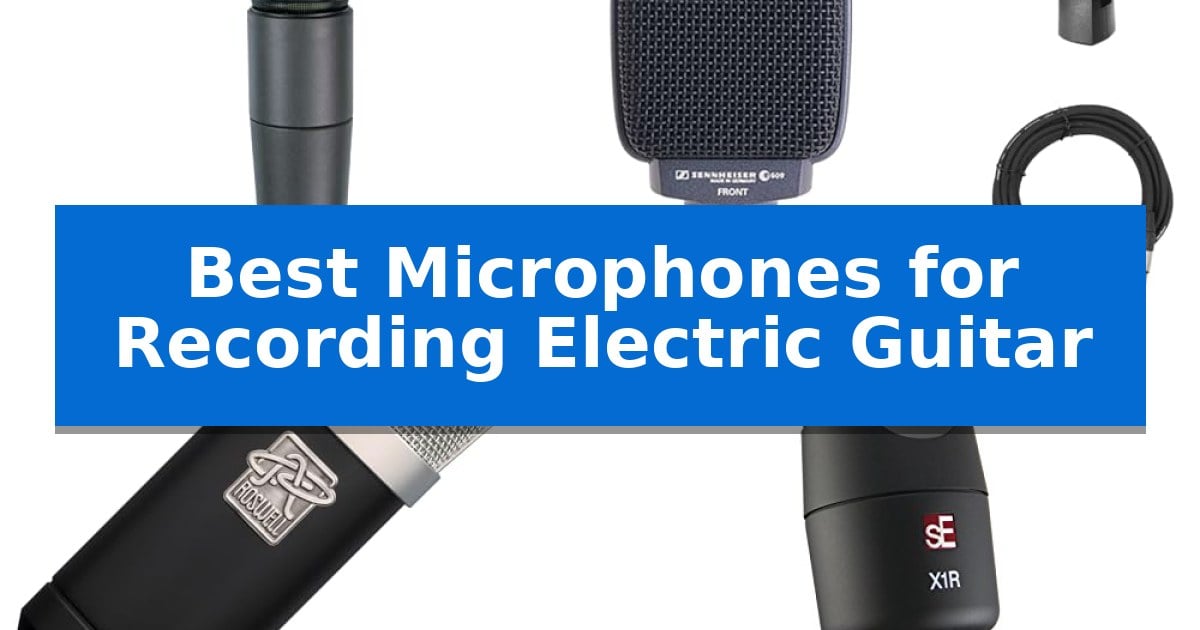
We have evaluated the Best Microphones for Recording Electric Guitar to help you identify which model best suits your specific recording environment and tonal goals. From industry-standard dynamic workhorses to modern ribbon designs, these selections offer distinct advantages for capturing the nuance and impact of your cabinet.
You may also want to compare Best Microphones for Recording Electric Bass, Best Microphones for Recording E-Learning Videos, and Best Microphones for Recording Drone Footage.
Best Microphones for Recording Electric Guitar
Quick Comparison
| Product | Best For | Key Strength | Score |
|---|---|---|---|
| Shure SM57 Dynamic Instrument Microphone | Best Overall | Contoured frequency response enhances guitar attack and clarity. | 4.9 |
| Sennheiser E609 Instrument Microphone | Flat Design for Easy Positioning | Flat-front design enables direct, flush placement against amplifier grilles. | 4.4 |
| Roswell Pro Audio Cab Mic | Ribbon-Like Tone Without Fragility | Ribbon-like sound without the fragility of traditional ribbon microphones. | 4.3 |
| SE Electronics X1 R Ribbon Microphone | Natural Warmth for Guitar Cabs | High SPL handling for loud guitar cabinets | 4.8 |
How We Chose
- Frequency response characteristics and presence boosts for clarity.
- Polar pattern precision to minimize room bleed and background noise.
- Maximum sound pressure level (SPL) handling for loud amplifiers.
- Physical design and ease of positioning for consistent results.
- Build quality and reliability for frequent studio or stage use.
1 Shure SM57 Dynamic Instrument Microphone — Industry Standard for Amp Miking
Capturing the raw energy of an electric guitar cabinet requires a microphone that can withstand high sound pressure levels while maintaining tonal accuracy. The Shure SM57 Pro XLR Dynamic Instrument Microphone is engineered specifically for this task, utilizing a contoured frequency response with a refined presence boost to ensure that the attack and detail of your instrument cut through a mix with clarity.
Designed as a true studio and stage staple, this microphone features a precise cardioid pickup pattern. This focused capture is essential for close-miking guitar amplifiers, as it effectively isolates the sound source and minimizes unwanted background noise or bleed from other instruments in the room.
Beyond its acoustic capabilities, the Shure SM57 Pro XLR Dynamic Instrument Microphone is defined by its road-tested durability. The rugged construction allows it to handle the demanding environments of both daily studio sessions and live touring, ensuring consistent performance over time.
This microphone offers significant versatility, making it a reliable choice for various recording applications beyond guitar amps, including drums, brass, and percussion. Its ability to handle high sound pressure levels without sacrificing sound quality makes it a foundational tool for any recording setup.
Best for: Guitarists and engineers who need a durable, reliable microphone capable of handling high sound pressure levels for close-miking guitar cabinets.
Skip if: Users who require a large-diaphragm condenser microphone to capture high-frequency air or room ambiance rather than the direct, focused sound of an amplifier.
PROS
- Contoured frequency response enhances guitar attack and clarity.
- Precise cardioid pattern reduces background bleed.
- Rugged construction handles high sound pressure levels.
- Versatile application across various instruments and live environments.
CONS
- Dynamic design lacks the high-frequency sensitivity of condenser microphones.
2 Sennheiser E609 Instrument Microphone — Flat Design for Easy Positioning
Capturing the nuance of an electric guitar cabinet requires a specialized approach to microphone placement and signal integrity. The Sennheiser E609 Silver Instrument Microphone is engineered with a distinctive flat-front design, allowing it to be positioned directly against the grille cloth of an amplifier for precise, consistent sound capture without the need for bulky boom stands.
This microphone utilizes a super-cardioid pick-up pattern, which is essential for isolating the guitar signal from surrounding stage noise or other instruments. To maintain signal purity in electrically noisy environments, it features a built-in hum compensating coil that actively reduces interference. The internal neodymium ferrous magnet with boron ensures the capsule remains stable and consistent, regardless of the ambient temperature or climate conditions during a session.
Built for the rigors of frequent use, the Sennheiser E609 Silver Instrument Microphone features a rugged metal construction. This bundle provides practical utility for immediate setup, including a 20ft XLR cable and a microfiber cleaning cloth for maintenance. The microphone is backed by a limited 2-year manufacturer warranty, providing long-term support for its core components.
While the flat design excels at close-miking guitar cabinets, users should note that its specific form factor is optimized for instrument-front placement. Those seeking a traditional side-address microphone for vocal applications or general studio use may find a standard cylindrical microphone more versatile for their broader recording needs.
Best for: Guitarists and engineers who require a low-profile, easy-to-position microphone for close-miking electric guitar cabinets on stage or in the studio.
Skip if: Users who need a multi-purpose microphone for vocals or acoustic instruments will find a standard side-address condenser or dynamic microphone more adaptable.
PROS
- Flat-front design enables direct, flush placement against amplifier grilles.
- Super-cardioid pattern provides excellent isolation from stage bleed.
- Hum compensating coil minimizes electrical interference.
- Rugged metal construction designed for durability in demanding environments.
CONS
- Form factor is highly specialized for instrument cabinets and less versatile for general recording tasks.
3 Roswell Pro Audio Cab Mic — Ribbon-Like Tone Without Fragility
Capturing the authentic resonance of an electric guitar cabinet requires a microphone that balances warmth with clarity, a challenge the Roswell Pro Audio Cab Mic addresses through its specialized condenser design. Unlike traditional dynamic microphones that may require precise, time-consuming placement, this unit is engineered for point and shoot simplicity, allowing users to achieve professional results by aiming it at the center of the cabinet from six inches away.
The Roswell Pro Audio Cab Mic is specifically voiced to provide a ribbon-like sound profile. It delivers the warm, natural characteristics typically associated with ribbon microphones while avoiding their inherent fragility and excessive proximity effect. By retaining the punch and impact of a dynamic mic, it offers a versatile solution for studio recording and live performance environments.
Designed for durability and ease of use, the microphone includes a heavy-duty swivel mount and a microfleece dust cover. Its compact form factor, measuring approximately 5.9 inches in height, ensures it remains unobtrusive in crowded studio setups or on stage. The build quality reflects its purpose-built nature, focusing on consistent frequency response for electric guitar applications.
This microphone has been adopted by professional guitarists and is frequently utilized in touring rigs, demonstrating its reliability in diverse settings. Whether used for tracking in a controlled studio or capturing output during live shows, the Roswell Pro Audio Cab Mic serves as a dedicated tool for those seeking to streamline their guitar recording workflow without sacrificing tonal quality.
Best for: Guitarists and studio engineers seeking a consistent, ribbon-like tone for electric guitar cabinets with minimal setup time.
Skip if: Users who require a multi-purpose microphone for vocals or acoustic instruments, as this unit is purpose-built specifically for guitar cabinets.
PROS
- Ribbon-like sound without the fragility of traditional ribbon microphones.
- Point and shoot positioning simplifies the recording process.
- Purpose-built frequency response optimized for electric guitar cabinets.
- Includes a heavy-duty swivel mount for secure placement.
CONS
- Specialized design limits its utility for other recording applications like vocals.
4 SE Electronics X1 R Ribbon Microphone — Natural Warmth for Guitar Cabs
Capturing the nuanced texture of an electric guitar cabinet requires a microphone capable of handling high sound pressure levels while maintaining a natural, smooth frequency response. The SE Electronics X1 R Ribbon Microphone is engineered to bridge the gap between traditional ribbon warmth and modern studio demands, making it a compelling choice for guitarists seeking a classic, detailed sound without the fragility often associated with vintage designs.
At the core of this microphone is a state-of-the-art ribbon element paired with premium neodymium magnets. This combination allows the SE Electronics X1 R Ribbon Microphone to deliver the smooth, balanced character expected from ribbon technology, while its high-frequency extension design ensures that the top end remains clear and articulate. This is particularly beneficial for electric guitar cabinets, where capturing the grit and detail of an amplifier is essential for a professional-grade recording.
Built for versatility, this microphone is housed in a rugged all-metal chassis, ensuring it can withstand the rigors of a busy studio environment. It features a gold-plated XLR connector for reliable signal integrity and is specifically designed to handle high-volume sources. Whether positioned close to a loud guitar cabinet or used for drum overheads, the passive design provides a straightforward, reliable workflow for modern recording applications.
While it excels in high-volume settings, users should note that as a passive ribbon microphone, it requires a quality preamp to achieve optimal gain levels. Its figure-eight polar pattern also means it will capture sound from both the front and back, which is a key consideration for isolation when tracking in a room with other instruments.
Best for: Recording electric guitar cabinets and high-volume studio sources where a smooth, natural ribbon character is desired.
Skip if: You require a microphone with a cardioid-only polar pattern or lack a high-gain preamp to drive a passive ribbon design.
PROS
- High SPL handling for loud guitar cabinets
- Extended high-frequency response for added detail
- Rugged all-metal construction for studio durability
- Natural ribbon warmth with modern reliability
CONS
- Passive design requires a high-quality preamp for sufficient gain
- Figure-eight polar pattern requires careful placement for isolation
Best Microphones for Recording Electric Guitar Buying Guide
Understanding Microphone Types
When recording electric guitar, you will primarily choose between dynamic and ribbon microphones. Dynamic microphones are renowned for their ruggedness and ability to handle high SPL, making them ideal for close-miking loud cabinets. They often feature a contoured frequency response that emphasizes the midrange, helping the guitar sit well in a mix.
Ribbon microphones offer a different sonic profile, often described as warmer and more natural. While traditional ribbons can be fragile, modern designs provide the smooth, high-frequency roll-off characteristic of the technology with increased durability. These are excellent for taming harsh high-end frequencies from aggressive guitar amps.
The Importance of Polar Patterns
The polar pattern dictates how a microphone captures sound from its surroundings. Most guitar recording relies on cardioid or super-cardioid patterns, which are directional and focus on the sound source directly in front of the capsule. This is crucial for isolating the cabinet from other instruments or room reflections.
A tighter pattern, such as a super-cardioid, provides even greater isolation but requires more precise placement. Choosing a mic with a focused pickup pattern helps ensure that your recorded track remains clean and free from unwanted bleed, which is especially important in smaller or untreated recording spaces.
Handling Sound Pressure Levels (SPL)
Electric guitar amplifiers can produce significant volume, which can distort or damage sensitive microphone capsules. It is vital to select a microphone rated to handle high SPL without introducing unwanted clipping or distortion. Dynamic mics are generally the safest bet for high-volume applications.
If you prefer the sound of a condenser or ribbon mic, ensure the specifications confirm it is designed for high-volume sources. Modern ribbon mics often include specific engineering to handle the intensity of a guitar cabinet, allowing you to get close to the speaker cone without compromising the integrity of the recording.
Positioning and Ease of Use
Microphone placement is perhaps the most significant factor in the final tone of your guitar recording. A mic that is easy to position—whether due to its flat design or a versatile mounting system—allows you to experiment with different spots on the speaker cone to find the 'sweet spot' quickly.
Some microphones are designed to be 'point and shoot,' requiring minimal adjustment to achieve a balanced sound. Others may require more experimentation, moving the mic closer to the center of the cone for more 'attack' and 'detail,' or toward the edge for a warmer, darker tone.
Durability and Build Quality
A microphone used for recording amps will likely be moved, adjusted, and potentially bumped during sessions. Rugged construction is a key feature to look for, especially if you plan to use the same mic for both studio tracking and live performance.
Look for features like all-metal housing and high-quality connectors. These design choices ensure that the microphone remains a dependable tool for years, maintaining consistent performance even under the demanding conditions of frequent transport and high-volume recording sessions.
Frequently Asked Questions
Should I use a dynamic or ribbon microphone for guitar amps?
Dynamic microphones are typically preferred for their durability and ability to handle high volume, while ribbon microphones are favored for their smooth, natural high-frequency response.
What is the best position for a guitar cabinet mic?
A common starting point is placing the microphone a few inches from the speaker grille, aimed at the center of the cone for more brightness or toward the edge for a softer tone.
Do I need a specific microphone for high-volume amps?
Yes, ensure your microphone is rated for high SPL (Sound Pressure Level) to prevent distortion and potential damage to the capsule when recording loud amplifiers.
What does a cardioid pattern do for guitar recording?
A cardioid pattern is directional, meaning it captures sound from the front while rejecting sound from the sides and rear, which helps isolate the guitar amp from other noise.
Can I use the same microphone for live and studio use?
Many dynamic instrument microphones are built with rugged construction specifically to handle both the rigors of live stage performance and the precision requirements of studio recording.
Conclusion: Our Top Pick
Selecting the right microphone is a foundational step in capturing the true character of your electric guitar rig. By considering how a microphone handles volume, its polar pattern, and its overall frequency response, you can achieve professional-grade results that translate well across any mix.
For most recording applications, the Shure SM57 Dynamic Instrument Microphone remains the top choice due to its legendary durability, focused cardioid pickup pattern, and contoured frequency response that consistently highlights the attack and detail of electric guitar cabinets.