
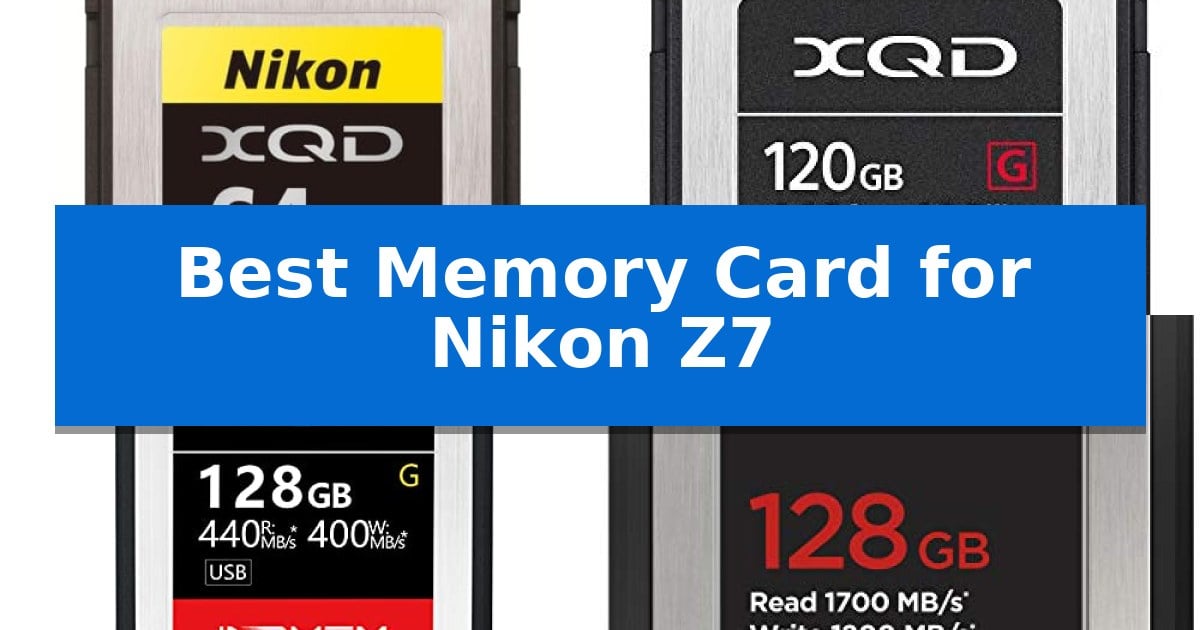
Finding the Best Memory Card for Nikon Z7 requires balancing high-speed data throughput with the specific interface requirements of your camera body. Because the Z7 utilizes a single card slot that supports both XQD and, with firmware updates, CFexpress Type B media, choosing the right card is essential for maintaining consistent write speeds during continuous burst shooting or high-bitrate video recording.
Whether you are prioritizing the established reliability of XQD technology or looking to leverage the faster transfer speeds of modern CFexpress cards, your choice directly impacts your camera's buffer clearing times and overall workflow efficiency. This guide evaluates the top options currently available to help you select the most dependable storage solution for your specific photographic needs.
You may also want to compare Best Memory Card for Nikon Z6III, Best Memory Card for Nikon Z6II, and Best Memory Card for Nikon Z6 III.
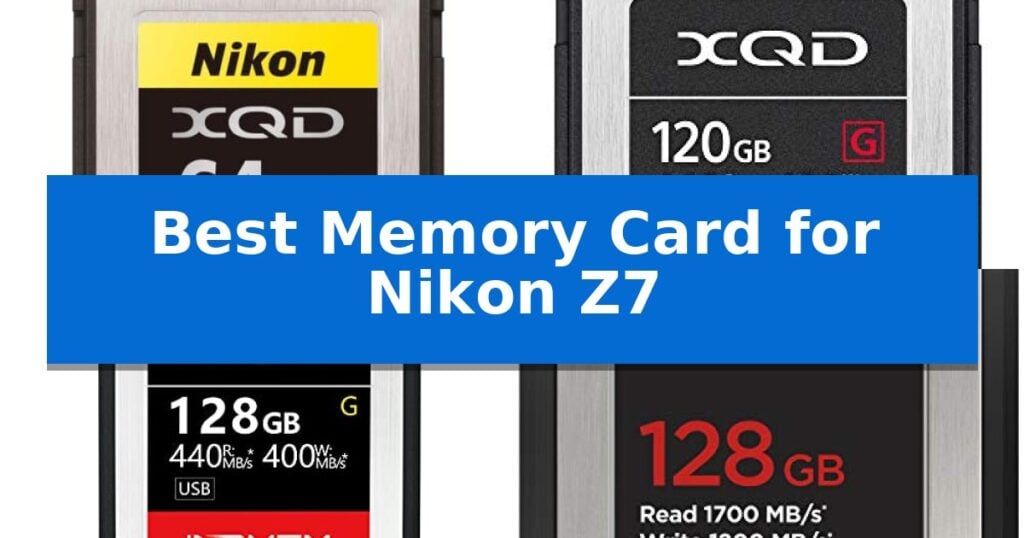
Best Memory Card for Nikon Z7
Quick Comparison
| Product | Best For | Key Strength | Score |
|---|---|---|---|
| Nikon XQD Memory Card | Best Overall | High-speed data transfer with 440MB/s read and 400MB/s write capabilities. | 4.9 |
| Sony XQD Memory Card | High-Speed Burst Performance | High-speed data transfer with read speeds up to 440MB/s and write speeds up to 400MB/s. | 4.7 |
| INDMEM XQD Memory Card | Budget-Friendly XQD Alternative | High-speed performance with up to 440MB/s read and 400MB/s write speeds. | 4.3 |
| SanDisk Extreme PRO CFexpress Type B | Future-Proofing With Firmware Update | High-speed performance with up to 1700MB/s read and 1200MB/s write speeds. | 4.7 |
| INDMEM CFexpress Type B Card | High-Capacity 8K Video Support | High-speed performance with up to 1700MB/s read and 1600MB/s write speeds. | 4.6 |
How We Chose
- Interface compatibility with XQD and CFexpress Type B standards.
- Maximum read and write speeds for efficient file transfers and buffer clearing.
- Physical durability and environmental resistance for field reliability.
- Capacity options suitable for high-resolution RAW images and 4K video.
- Firmware update requirements for backwards compatibility.
1 Nikon XQD Memory Card — Official Brand Reliability
Reliable data handling is essential when working with high-resolution files, and the Nikon XQD 64GB Memory Card provides a specialized solution for photographers using compatible Nikon systems. By utilizing PCI-Express 2.0 bus technology, this card ensures efficient processing for demanding tasks like continuous burst shooting and high-resolution video capture.
Performance is defined by its 440 MB/s read and 400 MB/s write speeds, which facilitate rapid data transfer. This speed is critical for maintaining a smooth workflow when offloading large projects or clearing the buffer during intense shooting sessions. With 64GB of storage capacity, it offers a balance of space for extended projects without requiring frequent card swaps.
Beyond speed, the card is built for environmental resilience. It is engineered to operate in temperatures ranging from -13 to 149 degrees F (-25 to 65 degrees C), providing confidence when shooting in harsh or unpredictable conditions. This durability ensures that your data remains secure regardless of the external environment.
Compatibility is a primary strength of this media. It is optimized specifically for the Nikon Z7, Z6, D850, D5, and D500, ensuring seamless integration with these professional camera bodies. This targeted design minimizes compatibility concerns, allowing users to focus on their creative output rather than troubleshooting hardware interfaces.
Best for: Professional photographers using Nikon Z-series or high-end DSLR cameras who require reliable, high-speed storage for burst shooting and high-resolution video.
Skip if: Users who do not own a camera specifically compatible with the XQD format, as this card is not interchangeable with standard SD or CFexpress Type B slots.
PROS
- High-speed data transfer with 440MB/s read and 400MB/s write capabilities.
- Optimized compatibility for specific Nikon professional camera models.
- Wide temperature tolerance for reliable performance in extreme environments.
- PCI-Express 2.0 bus support for efficient file handling.
CONS
- Limited device compatibility restricted to XQD-specific camera slots.
2 Sony XQD Memory Card — High-Speed Burst Performance
Capturing high-resolution imagery and 4K video with the Nikon Z7 requires a storage medium capable of handling significant data throughput. The Sony 120GB Memory Card utilizes the PCI Express Gen. 2 interface to achieve maximum read speeds of 440MB/s and write speeds of 400MB/s, ensuring that your camera's buffer clears efficiently during continuous burst shooting.
Beyond raw speed, this card is engineered for physical resilience in demanding environments. It is designed to be shock-proof, anti-static, and resistant to breakage, with testing that confirms it can withstand drops of up to 16.4 feet. This durability is complemented by resistance to extreme temperatures, UV exposure, X-rays, and magnetic interference, providing a robust safeguard for your captured media.
Workflow integration is further supported by the included downloadable File Rescue software. This utility employs a specialized algorithm to assist in the recovery of raw images, MOV files, and 4K XAVC-S video files that may have been accidentally deleted or corrupted. With a 5-year limited warranty, this card offers a reliable solution for professional and enthusiast photographers who prioritize data integrity alongside performance.
When selecting storage for your Nikon Z7, balancing speed and durability is essential for uninterrupted field use. The Sony 120GB Memory Card provides the necessary bandwidth for high-bitrate video and rapid-fire stills, while its reinforced construction offers peace of mind when working in challenging outdoor conditions.
Best for: Photographers and videographers requiring high-speed burst performance and robust physical durability for the Nikon Z7.
Skip if: Users who require higher storage capacities than 120GB or those who do not utilize XQD-compatible camera systems.
PROS
- High-speed data transfer with read speeds up to 440MB/s and write speeds up to 400MB/s.
- Exceptional durability with shock-proof, anti-static, and drop-resistant construction.
- File Rescue software included to help recover RAW and 4K video files.
- Resistant to extreme conditions including UV, X-ray, and magnetic interference.
CONS
- Limited capacity of 120GB may require frequent swapping during long 4K video shoots.
- XQD interface is specific to certain professional cameras and lacks universal compatibility.
3 INDMEM XQD Memory Card — Budget-Friendly XQD Alternative
Reliable high-speed data handling is essential for the Nikon Z7, and the INDMEM XQD Memory Card addresses this with a specialized controller and unique "EB stream" function designed to maintain stable high frame rates during 4K video recording. By preventing speed drops, this card ensures that your camera's buffer remains clear during demanding shooting sessions.
Engineered for performance, this card utilizes the PCI Express Gen2 interface and supports USB 3.0 for efficient file transfers to your computer. With a maximum read speed of 440MB/s and a maximum write speed of 400MB/s, it is built to handle the large file sizes generated by high-resolution sensors and continuous burst shooting modes.
Durability is a core design focus, featuring recessed pins that provide physical protection against damage, dust, and electrostatic shock. This construction allows the card to operate across a range of extreme temperatures, offering a robust storage solution for photographers working in varied environments.
The INDMEM XQD Memory Card provides a 128GB capacity, balancing high-speed throughput with ample space for professional workflows. It is a practical choice for users who require consistent performance for both still photography and high-bitrate video capture without the premium cost of some other brands.
Best for: Photographers and videographers using the Nikon Z7 who need a reliable, high-speed storage solution for 4K video and burst shooting.
Skip if: Users who require a different memory card format, such as CFexpress Type B, as this card is specifically designed for the XQD interface.
PROS
- High-speed performance with up to 440MB/s read and 400MB/s write speeds.
- EB stream function helps maintain stable frame rates for 4K video.
- Durable design with recessed pins for protection against dust and electrostatic shock.
- PCIe 2.0 and USB 3.0 support for fast data offloading.
CONS
- Limited to XQD interface, making it incompatible with newer cameras requiring CFexpress Type B cards.
4 SanDisk Extreme PRO CFexpress Type B — Future-Proofing With Firmware Update
The SanDisk 128GB Extreme PRO CFexpress Card Type B is engineered to meet the demanding data throughput requirements of high-resolution cameras like the Nikon Z7. By utilizing the CFexpress interface, this card delivers read speeds of up to 1700MB/s and write speeds of up to 1200MB/s, ensuring that photographers and videographers can capture smooth, RAW 4K video without the latency issues often associated with slower storage media. This high-speed performance is essential for maintaining consistent data flow during intensive burst shooting sessions.
Beyond its primary role in CFexpress-native slots, this card offers practical versatility through backwards compatibility with select XQD cameras. This functionality is contingent upon the installation of a specific camera firmware update provided by the manufacturer. This design choice allows professionals to integrate modern storage technology into their existing equipment, providing a path to improved workflow efficiency without requiring an immediate, full-system hardware overhaul.
To assist with long-term data management and security, the card includes access to RescuePRO Deluxe Recovery Software, which can be downloaded to help recover accidentally deleted files. The unit is built with a durable form factor measuring 1.52 inches by 1.17 inches and is supported by a lifetime limited manufacturer warranty. This combination of robust build quality and recovery support provides a reliable foundation for professional field work where data integrity is paramount.
Best for: Professional photographers and videographers using the Nikon Z7 who require high-speed data transfer for RAW 4K video recording and high-speed burst shooting.
Skip if: Users who have not updated their camera firmware to support CFexpress or those who primarily shoot static subjects that do not require the high write speeds offered by this interface.
PROS
- High-speed performance with up to 1700MB/s read and 1200MB/s write speeds.
- Backwards compatibility with select XQD cameras via firmware updates.
- Includes RescuePRO Deluxe Recovery Software for file restoration.
- Backed by a lifetime limited manufacturer warranty.
CONS
- Performance variability depending on host device and usage conditions.
- Firmware dependency required for use in legacy XQD-compatible slots.
5 INDMEM CFexpress Type B Card — High-Capacity 8K Video Support
Capturing high-resolution RAW footage requires a storage medium capable of handling massive data throughput without bottlenecking your camera's buffer. The INDMEM CFexpress Type B Card is engineered to meet these demands, offering sustained performance for professional workflows that rely on consistent write speeds during intensive recording sessions.
Built to support the PCIe 3.0 and NVMe protocol, this card achieves transfer speeds of up to 1700MB/s read and 1600MB/s write. These specifications are specifically optimized for continuous 8K RAW video recording, ensuring that high-bitrate data is written reliably to the card. For photographers using the Nikon Z7, this translates to faster clearing of the camera buffer during rapid-fire burst shooting.
Beyond its primary function, the card offers superior compatibility across a range of professional imaging devices, including the Nikon Z6, Z7, Z9, and D850. It also provides backwards compatibility with select XQD cameras, though users should note that a firmware update is required for those specific systems to recognize the CFexpress format.
Designed for durability and long-term use, the INDMEM CFexpress Type B Card is a specialized tool for those who prioritize data integrity and speed. While it is a high-performance component, it is important to ensure your specific camera model and firmware version are compatible before integration into your field setup.
Best for: Professional photographers and videographers who require high-speed, reliable storage for 8K RAW video recording and rapid burst photography.
Skip if: Users operating older camera systems that do not support CFexpress Type B or those who have not performed the necessary firmware updates for XQD compatibility.
PROS
- High-speed performance with up to 1700MB/s read and 1600MB/s write speeds.
- Optimized for continuous 8K RAW video recording.
- Utilizes PCIe 3.0 and NVMe protocols for efficient data handling.
- Broad compatibility with professional Nikon, Canon, and Panasonic camera bodies.
CONS
- Requires firmware updates for use with select legacy XQD-compatible cameras.
- Performance is limited by the camera's internal interface and firmware capabilities.
Best Memory Card for Nikon Z7 Buying Guide
Understanding Interface Compatibility
The Nikon Z7 is unique because it supports both XQD and CFexpress Type B cards. While XQD was the original standard for this camera, many users transition to CFexpress for significantly faster transfer speeds. It is vital to check if your camera has the necessary firmware update installed, as this is often required to recognize and utilize the newer CFexpress cards.
If you prefer to stick with the original XQD format, ensure the card uses the PCI-Express 2.0 bus for stable performance. Always verify the specific card's compatibility with your current camera firmware version before purchasing to avoid potential recognition issues in the field.
Write Speeds and Buffer Performance
For photographers who shoot in continuous burst mode, the write speed of your memory card is the most critical factor. A faster write speed allows the camera to clear its internal buffer more quickly, meaning you can keep shooting longer without the camera pausing to save data.
Videographers recording in 4K or higher resolutions should prioritize cards that maintain high sustained write speeds. Look for cards that explicitly mention support for high-bitrate video to prevent dropped frames or recording interruptions during long takes.
Durability and Data Integrity
Professional photography often takes place in challenging environments, from extreme heat to freezing cold. High-quality memory cards are engineered with enhanced durability, including shock-proof, anti-static, and temperature-resistant designs to protect your valuable images.
Features like recessed pins provide additional protection against physical damage and electrostatic shock. Investing in a card with a robust build quality ensures that your data remains intact even when you are working in harsh or unpredictable conditions.
Capacity Requirements
The capacity you need depends on your file format and shooting volume. High-resolution RAW files from the Z7 consume significant space, so a 64GB or 128GB card is often the recommended starting point for most professionals.
If you frequently record long-form video or shoot extensive events, opting for higher capacities like 128GB helps reduce the frequency of card swaps. Always balance your budget against the amount of data you typically generate in a single session.
Data Recovery and Support
Accidental file deletion or card corruption can be a major setback. Some manufacturers include recovery software with their cards, which can be a lifesaver if you accidentally format a card or lose files.
Check the warranty terms provided by the brand. Many reputable manufacturers offer limited lifetime or multi-year warranties, which provide peace of mind and demonstrate confidence in the longevity and reliability of their storage media.
Frequently Asked Questions
Can I use a CFexpress Type B card in my Nikon Z7?
Yes, but you must ensure your camera has the latest firmware update installed. Without the update, the camera may not recognize the CFexpress card.
What is the main difference between XQD and CFexpress?
CFexpress Type B cards generally offer much higher read and write speeds compared to XQD cards, which significantly improves file transfer times and buffer clearing performance.
Are these cards compatible with other Nikon cameras?
Many of these cards are compatible with other professional Nikon models like the Z6, D850, D5, and D500, but you should always verify the specific card's compatibility list.
Do I need special software to recover lost files?
Some brands include proprietary recovery software, such as SanDisk's RescuePRO, which can help recover files if they are accidentally deleted or the card is formatted.
How do I protect my memory card from damage?
Keep your cards in a protective case when not in use, avoid touching the contact pins, and ensure they are stored in a cool, dry place to maintain their longevity.
Conclusion: Our Top Pick
For most Nikon Z7 users, the Nikon XQD Memory Card remains the most reliable choice due to its official brand optimization and proven performance with the camera's native interface. It offers a stable, high-speed solution that is perfectly tuned for the Z7's demanding photographic workflows.
While newer CFexpress options provide faster transfer speeds, the Nikon XQD card delivers the consistent reliability required for critical projects. If you prioritize seamless compatibility and manufacturer-backed performance, this card is the ideal foundation for your camera setup.